Choosing the right fabric for your baby’s delicate skin is one of the most important decisions every parent has to make. While many materials are available in the market, cotton and muslin cotton stand out as two of the most popular and trusted choices for baby wear. But how do you decide which one is better? What are the key differences between the two? More importantly, which one offers the safety, comfort and softness that your baby deserves?
If you’ve been browsing for kids wear online, you’ve likely seen these two fabric options on baby rompers, swaddles, onesies, and more. This guide will walk you through everything you need to know about muslin cotton vs. cotton. Finally, let’s dive in and discover which fabric will win your heart (and your baby’s comfort).
Table of Contents
What Is Cotton?
Cotton is a natural fibre derived from the cotton plant and has been used in textiles for thousands of years. India is one of the world’s largest cotton producers, deeply rooted in the country’s textile heritage. Cotton is celebrated for its breathability, durability, and versatility, making it a go-to material for clothing across all age groups.
Cotton is preferred for baby wear because of its softness and hypoallergenic nature. It allows air circulation, reducing the risk of overheating, and helps wick moisture away from your baby’s skin.
However, not all cotton is made the same. Regular cotton is sometimes treated with chemicals during production, which may reduce its skin-friendliness unless it is labelled organic or OEKO-TEX certified.
The best part about cotton is its adaptability. It can be used in lightweight summer clothes or blended with warmer fabrics for winter wear. It washes well, lasts long, and is widely available. However, its quality can vary depending on the thread count, weave, and processing methods.

What Is Muslin Cotton?
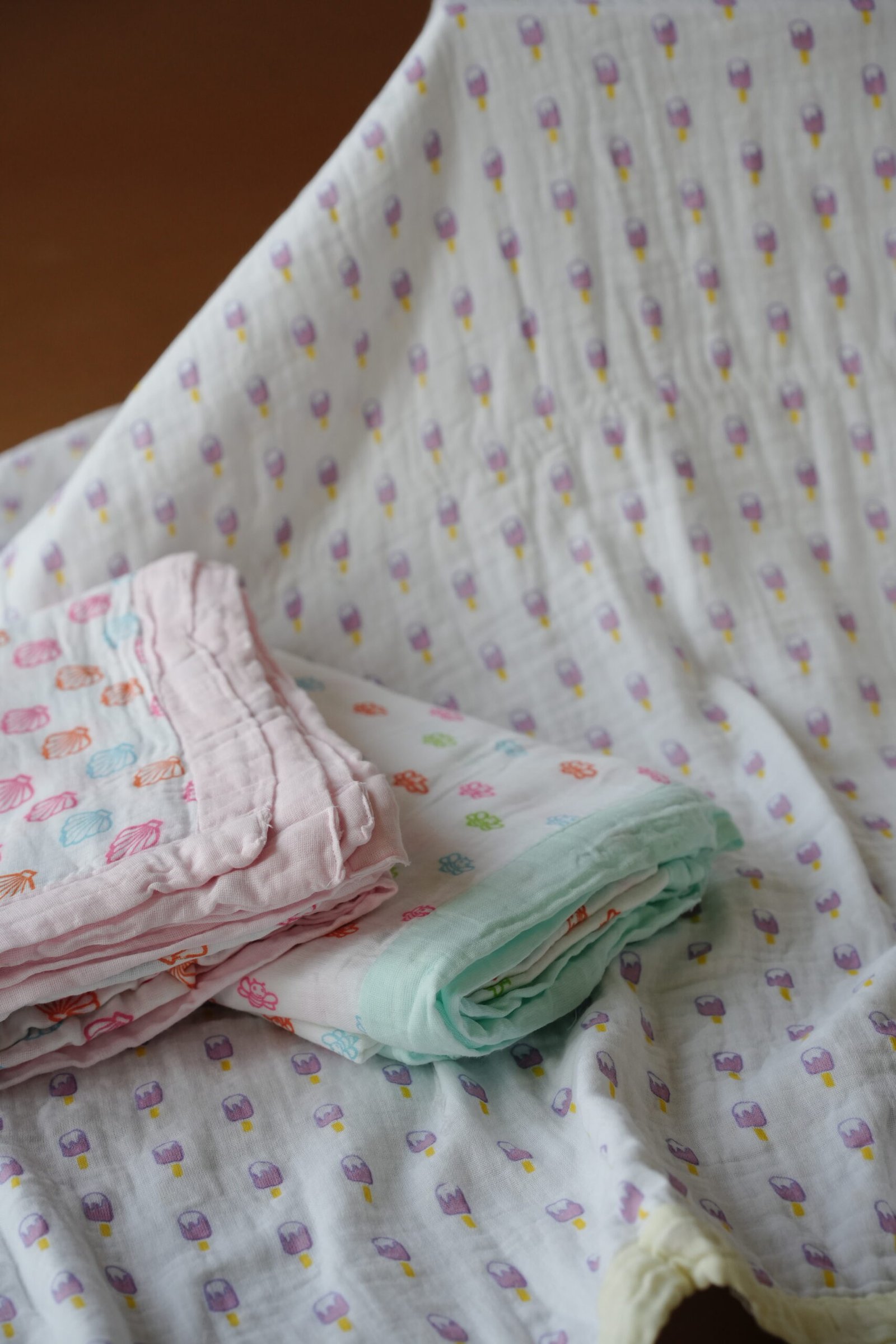
Muslin cotton is a specific type of cotton known for its ultra-soft texture and loose, open weave. Originating from ancient Dhaka (now in Bangladesh), muslin was once considered a luxury fabric reserved for royalty. Thanks to its gentle texture and breathability, it has made a massive comeback in baby wear.
Traditional Indians create muslin cotton and woven it in a way that gives it a gauzy, airy structure. This makes it one of the most breathable fabrics available, ideal for swaddling newborns or dressing babies during hot and humid seasons. Unlike traditional cotton, muslin becomes softer with each wash, making it perfect for repeated use on sensitive skin.
Parents love muslin cotton for its lightweight feel, which helps regulate a baby’s body temperature and prevent overheating. However, its loose weave makes muslin slightly less durable than tightly woven cotton fabrics. If not handled carefully, it may tear or wear down faster under rough use or frequent washing.
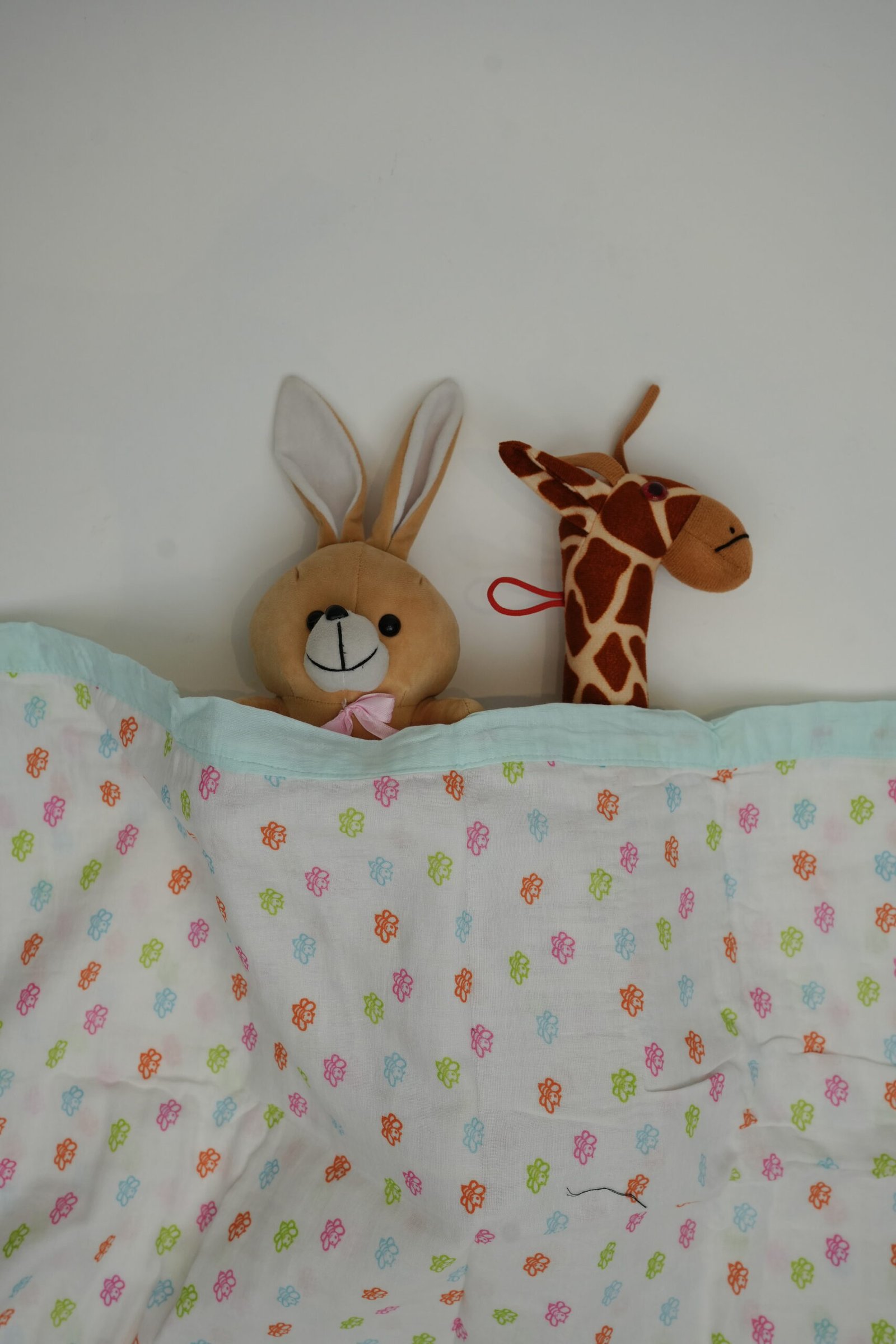
Despite this, muslin cotton is a soothing, gentle material that adapts beautifully to your baby’s body. From burp cloths and bibs to sleep sacks and frocks, it’s a versatile fabric that has rightly earned its place in every baby wardrobe.
Muslin Cotton vs Cotton: Key Differences
To help you compare these two fabric options better, here’s a comprehensive table that breaks down the main differences:
| Feature | Muslin Cotton | Regular Cotton |
| Weave | Loose and open | Tightly woven |
| Softness | Becomes softer with each wash | Soft, but may vary |
| Breathability | Extremely breathable | Good breathability |
| Durability | Less durable | More durable |
| Absorbency | High | Moderate to high |
| Weight | Lightweight | Medium weight |
| Use Case | Best for swaddles, wraps, summer | All-season, everyday wear |
| Skin Friendliness | Excellent for sensitive skin | Good for most skin types |
Which Fabric is Better for Your Baby's Skin?
A baby’s skin is 30% thinner than an adult’s, making it far more sensitive to environmental irritants, including rough fabrics and chemical residues. That’s why choosing a skin-friendly fabric is more than just a matter of comfort—it’s essential for your child’s well-being.
Muslin cotton is a top choice for newborns and infants because of its extra-soft feel and hypoallergenic properties.
Its airy weave allows heat to escape easily, preventing rashes and overheating, which are common concerns among parents, especially in Indian climates. Since muslin gets softer with each wash, it nurtures your baby’s skin over time. Regular cotton, while still breathable and soft, can vary significantly based on quality.
It might contain traces of processing chemicals if it’s not organic or OEKO-TEX certified. These substances can sometimes irritate, especially in babies with sensitive skin. However, high-quality cotton with minimal chemical treatment remains a reliable option for daily use.
In summary, muslin cotton is the gentler option for delicate newborn skin, while regular cotton is a practical, long-lasting choice for growing babies who need sturdier clothes.
Also Read: Cute Potato India: A Made-in-India Babywear Story
Seasonal Suitability in India
India’s diverse climate plays a significant role in fabric selection for babies. From dry summers in the north to humid monsoons in the south, your baby’s comfort depends heavily on seasonal fabric choices.
Muslin cotton shines during summer and humid months. Its ultra-breathable, lightweight weave keeps the baby calm, reduces sweating, and prevents heat rashes. This makes it ideal for Indian households where temperatures can easily exceed 35°C.
Cotton, on the other hand, is more versatile across seasons. Thicker cotton garments can be worn in winter or during cooler evenings, especially when layered with warmers. However, cotton’s slow-drying nature can be a downside for the monsoon season, leading to damp clothes if not dried properly.
It is ideal to choose a wardrobe that balances both fabrics. Use muslin cotton during peak summer and bedtime clothing, and opt for regular cotton for daywear or outdoor outfits in moderate weather.
Popular Uses: Muslin vs Cotton in Babywear
Both muslin and cotton fabrics are used to make a wide range of baby products, but each shines in specific categories based on its properties.
Muslin cotton is particularly suited for:
- Swaddles
- Newborn wraps
- Nappies
- Sleep sacks
- Summer rompers
- Baby towels and washcloths
Its feather-light nature and softness make it perfect for any product in direct contact with a baby’s skin for prolonged hours.
Cotton is excellent for:
- Daily onesies
- T-shirts and leggings
- Caps and mittens
- Bedsheets and blankets
- Outerwear and sleepwear in mild winters
You’ll also find many girls clothing brands using muslin for lightweight dresses and cotton for structured frocks or leggings, allowing parents to choose based on the season and occasion.
Why Parents Love Cute Potato India for Baby Clothing
Cute Potato India stands out as a parent-loved brand that delivers on all fronts when combining comfort, style, and safety. Founded by Sharwari Sharad Shetye and her father, this proudly Made-in-India label focuses on creating high-quality babywear using premium fabrics like muslin and cotton.
Cute Potato India’s deep commitment to thoughtful design and purpose-driven products sets it apart. Every piece of clothing is crafted with love, from the initial sketch to the final stitch. The brand uses soft fabrics, eco-conscious practices, and in-house designs that reflect playful yet practical aesthetics for babies.
Parents trust us not just for our clothing but also for our vision. The brand honours every baby milestone—from the first swaddle to the first steps—by offering soft, breathable, and beautifully made clothes. Cute Potato India is fresh air in an age where mass production often sacrifices quality. The brand focuses on creating a cosy, joyful experience for babies and parents, making every outfit a memory.
Buying Tips: What to Look for When Shopping Online
Buying babywear online can feel overwhelming, with endless fabric options and brands. But a few smart checks can help ensure your baby gets the best.
- Check for Certifications: Always look for OEKO-TEX or GOTS-certified fabrics. These certifications guarantee that the clothes are free from harmful chemicals and safe for your baby’s skin.
- Read Product Descriptions Carefully: Don’t rely solely on pictures. Check the fabric type, care instructions, and size guide.
- Go with Trusted Brands: Cute Potato India specialize in baby wear and focus on quality, design, and skin-friendly materials. Their in-house designs are more thoughtfully created than mass-market alternatives.
- Consider Seasonal Needs: Muslin for summer and cotton for year-round use is a good thumb rule. Layer up as per the climate.
Support Local & Sustainable: Buying from Made-in-India brands promotes local artisans and sustainable manufacturing practices.
Final Recommendation: What's Best for Your Baby?
So, which one should you choose, muslin cotton or regular cotton? The answer lies in understanding your baby’s needs, skin sensitivity, and lifestyle.
If your baby is a newborn or has very sensitive skin, muslin cotton is undoubtedly the gentler and safer option. It’s breathable, lightweight, and becomes even softer with each wash. It’s perfect for swaddles, bedtime rompers, and summer wear.
Regular cotton offers durability and structure for toddlers or active infants, making it ideal for daily wear, crawling, or playtime. When shopping for newborn clothing for boys, prioritize muslin blends in the early months and gradually transition to cotton as your child grows.
Ultimately, a mix of both fabrics will give your baby a comfortable, appropriate wardrobe, and kindness to their skin. And we at Cute Potato India make it easier to find the right outfits for your kids that feel as good as they look.
Is muslin cotton better than regular cotton for babies? Yes, muslin cotton is more breathable and gentler on sensitive skin, making it ideal for newborns and summer seasons.
Does cotton cause rashes on baby skin? High-quality, untreated cotton generally doesn’t trash. However, low-grade or chemically treated cotton might irritate sensitive skin.
How do I wash muslin cotton baby clothes? Use a mild detergent and wash on a gentle cycle. Avoid harsh chemicals and air dry whenever possible.
Are muslin swaddles worth the investment? Absolutely. Muslin swaddles are multi-purpose, long-lasting, and become softer over time, making them an essential baby item.